
Mental Health
Across Harvard, researchers and scholars are working to better understand the full scope of mental health, including what causes disorders and how to best implement preventions and treatments.
An overview
In addressing the global mental health crisis, it's important to understand the full scope of the problem so experts can properly provide care and support.
of the world's population will experience a mental health disorder (Source)
people under 18 experience a mental illness each year (Source)
is the average delay between onset of mental health symptoms and treatment (Source)
increase in suicide rates over the past two decades (Source)
Let's talk treatment
Researchers and physicians at Harvard are working to improve diagnostic methods, medical treatments, and access to care to move mental health care forward.

Normalizing mental health check-ups


Just start
Supporting and maintaining your mental health is a lifelong practice and can often require professional assistance, but creating positive habits that have a lasting impact can start at any time.
Learn more about building personal resilience
Walk
Spending time in natural environments can lower biomarkers for stress and reduce cycles of negative thoughts.
Read the research
Eat
Eating an orange a day may lower a person's depression risk by 20%, according to new research.
Read the research
Breathe
Meditating for five minutes a day, consistently for a month, has shown reductions in standardized measures of depression and anxiety.
Read the researchYouth and mental health

The kids aren’t alright
In this issue of the Harvard Medicine magazine, experts at Harvard Medical School explore the mental health crisis among young people through a number of different approaches.
Explore Harvard Medicine magazineExploring how early development impacts mental health
Researchers are exploring early means of mental disorder prediction through teeth analysis, and better understanding how independent play can help with resilience, self-reliance, and mental health.
Understanding the power of the parent-child relationship
Harvard scientists are exploring the link between the mental health of parents and the mental health of adolescents, and offering advice and at-home interventions to improve issues.
Learning how school impacts mental health
With colleges seeing an increase in demand for mental health services on campus, Harvard experts are working to help colleges design meaningful systems of support for all students.
Screen time
Emerging technologies have the potential to help or harm mental health. Harvard researchers are working to better understand their impact.
Work/life balance
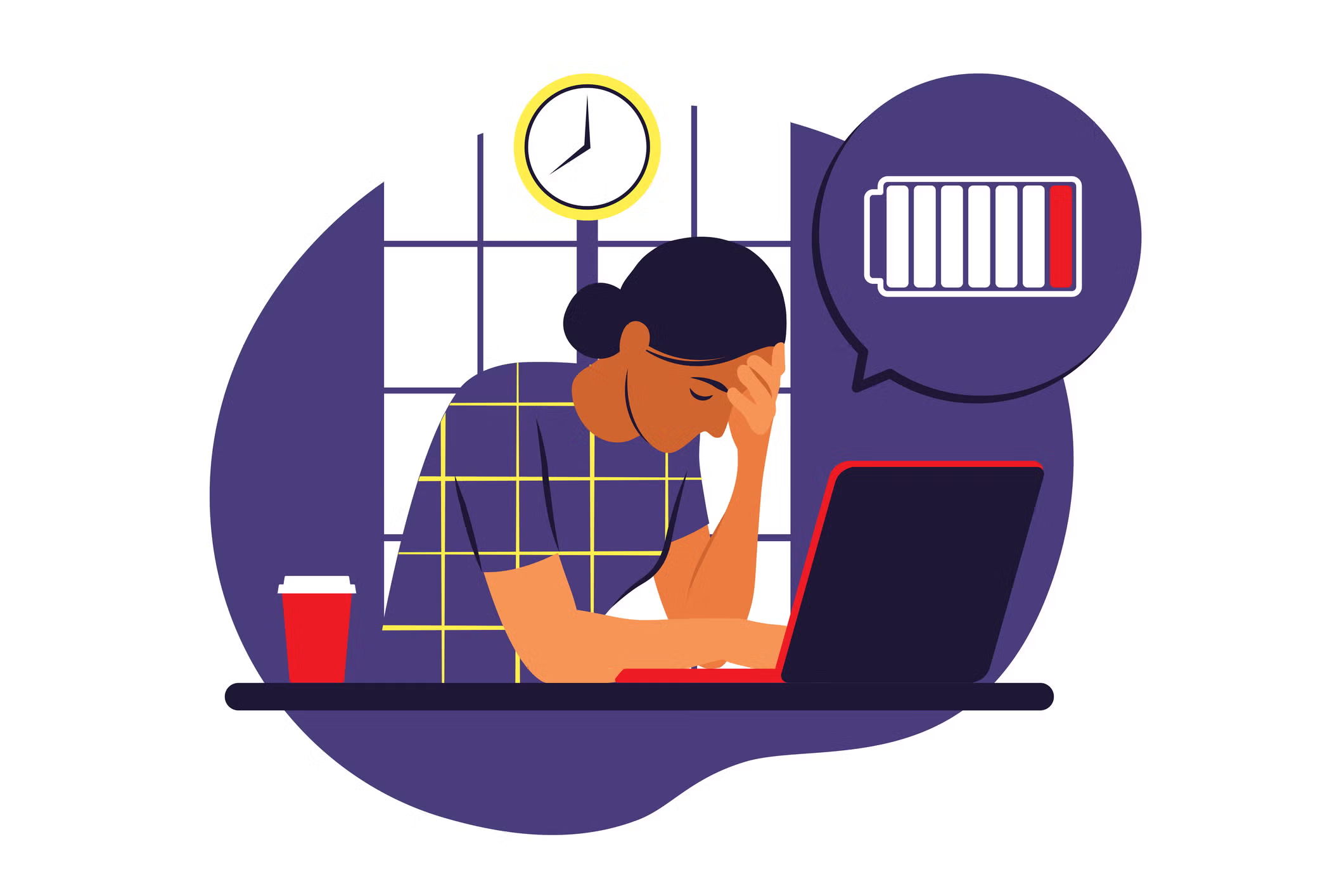
We spend close to a third of our lives working. Researchers are working to understand how that impacts our mental health, and what we can do to improve that relationship.
Teachers
Why it’s important that schools create space to acknowledge and respond to the stress of the job.
Executives
Why it’s important for organizations to address mental health and how executives should handle pressure at the top.
Factory workers
Research shows that a one-size-fits-all approach to worker wellbeing initiatives aren’t as effective as ones catered to workers’ specific needs.
Doctors
Sharing stories of personal struggle can help doctors become better at their jobs.
Athletes
A study found that NFL players face an increased risk of suicide compared to basketball and baseball players.
Delving deeper
Harvard faculty and alums are inviting readers and listeners to take a closer look at the many corners of mental health.
Harvard Thinking
“The Things We Carry”
This episode features experts discussing how trauma and adversity affect our biology and what that might mean for health care in the future.
Colloquy
“The Graduate Student Mental Health Crisis”
This episode features alum and clinical psychologist Emily Bernstein who studies the challenges faced by graduate students and why smartphones could become an important vehicle for delivering mental health care.